cervical cancer
Preventing cervical cancer through the HPV vaccine is one of the World Health Organization’s - WHO top health goals for this decade. Since cervical cancer is one of the leading causes of cancer deaths in women—especially in countries like India—WHO aims to ensure that 90% of girls are vaccinated against HPV by age 15, 70% of women are screened at ages 35 and 45, and 90% of women with cervical disease receive proper treatment—all by the year 2030. This global effort focuses on stopping the disease before it starts, through vaccination, early screening, and timely treatment.
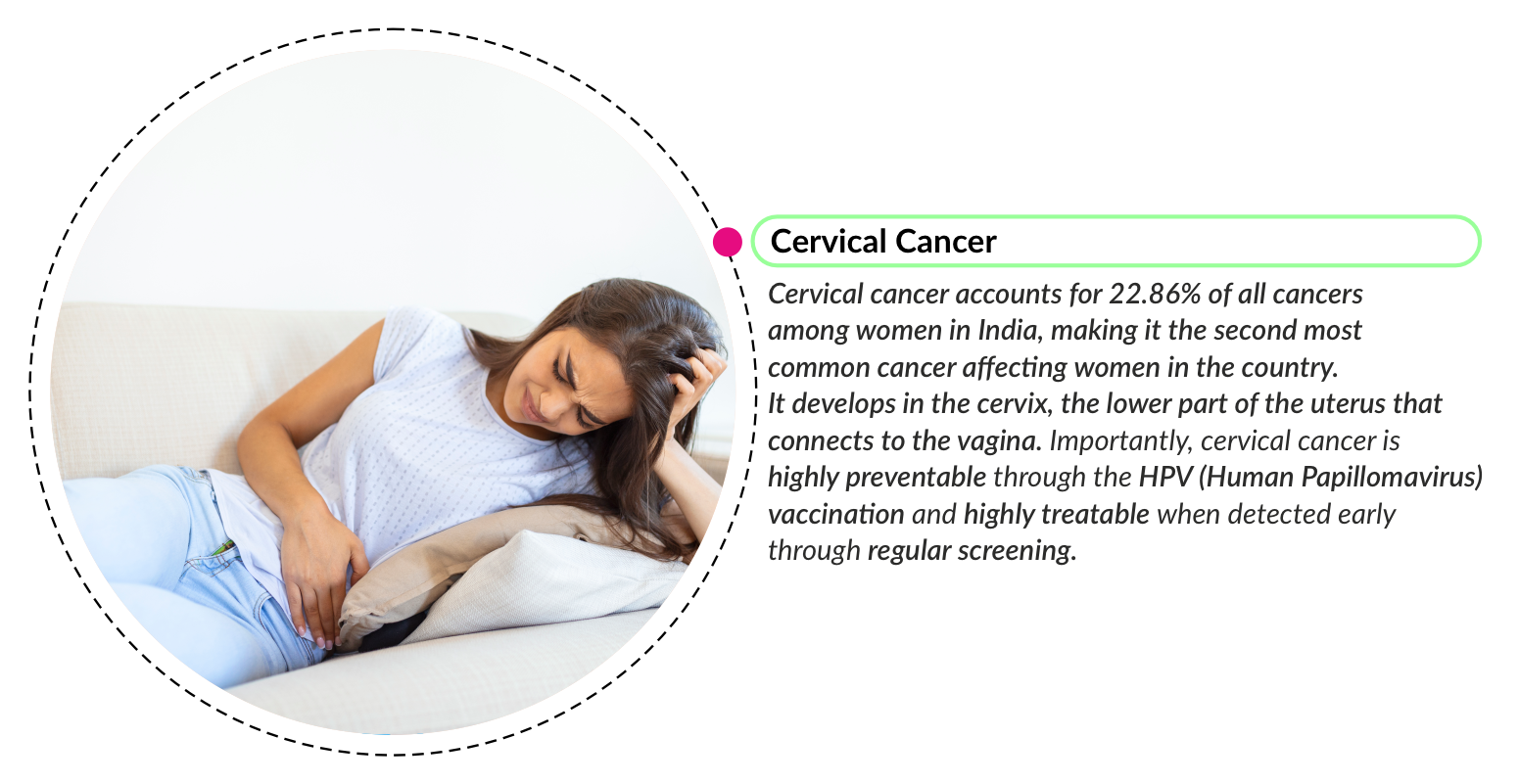
At Stree Clinic, we are committed to helping women protect their reproductive health through regular screening, early detection, and HPV vaccination against Human Papillomavirus - HPV—the most common cause of cervical cancer. In its early stages, cervical cancer often shows no symptoms, which is why routine screening is so important. When detected early, it is highly treatable and can often be cured.
Common Warning Signs
- Abnormal vaginal bleeding - between periods, after intercourse, or after menopause
- Unusual vaginal discharge
- Pain during sexual intercourse
- Pelvic pain or painful urination
Risk Factors for Cervical Cancer
Understanding risk factors can help you take proactive steps for prevention:
- Lack of regular cervical screening
- Early sexual activity - before age 20
- Early marriage
- Multiple Childbirths
- Frequent change of sexual partners
- Having a male partner with multiple sexual partners
- Prolonged exposure to high-risk strains Human Papillomavirus - HPV
We offer a comprehensive range of services to help prevent and detect cervical cancer at every stage of life. For further care and treatment, we also refer patients to trusted and specialized centres.
Prevention through HPV Vaccination
The HPV vaccine offers powerful protection against the high-risk HPV strains that cause most cervical cancer cases. The vaccine is safe, effective, and can significantly reduce your risk of developing cervical cancer.
WHo shoULd get it ?
HPV Vaccination Dosages
Age group
- 9 to 14 Years
- 15 to 26 Years
- >26 Years
- with an interval of 0 & 6-12 months
- with an interval of 0, 1-2 & 6 months
- Based on previous HPV Vaccination
Vaccination is most effective for young girls and boys before they have sexual contact.
Types of Screening Available at Stree Clinics
Visual Inspection with Acetic acid - VIA / Visual Inspection with Lugol's Iodine - VILI are fast and affordable screening methods:
· VIA - Visual Inspection with Acetic Acid: Uses vinegar to detect precancerous changes
· VILI - Visual Inspection with Lugol's Iodine: Uses iodine solution to enhance visibility of abnormal cells.
These methods provide immediate results and allow for quick decision-making. If the results are positive or unclear, further testing may be recommended for confirmation and next steps.
Pap Smear - Pap Test
Conventional Method or Liquid-Based Cytology – A Preferred Method
Pap Smear is a time-tested and reliable test that helps detect early cell changes in the cervix before they turn into cancer. These early changes are called pre-cancerous lesions—abnormal cells that may develop into cancer if not treated.
· A small sample of cervical cells is collected
· Painless and quick procedure
· Recommended every 3 years for women aged 21 to 49
· Recommended every 5 years for women aged 50 and above, or as advised by your doctor
By detecting these precancerous changes early, Pap Smears allow for timely treatment, which can prevent cervical cancer from developing.
Cervical Biopsy
If abnormalities are detected during screening, a cervical biopsy may be recommended. This involves removing a small sample of cervical tissue for laboratory testing:
· Helps confirm the presence of precancerous or cancerous cells
· Performed safely and gently by our experienced doctors
Treatment
Cervical cancer is highly treatable, especially when caught early. Treatment options depend on the stage of cancer and may include:
· Cryocautery - Cryotherapy: A procedure we provide at Stree Clinic that freezes and destroys abnormal or precancerous cells on the cervix. It is quick, safe, affordable and effective.
· Surgery, Radiation Therapy, and Chemotherapy: For advanced treatment options, we refer clients to specialized centers to ensure they
receive the best care.
Prostate Cancer - in Men
Know the Warning Signs
Early-stage prostate cancer often shows no noticeable signs. In later stages, symptoms may include:
· Difficulty in Urination
· Urgency to pass Urine
· Frequent urination, especially at night
· Weak or interrupted urinary flow
· Pain or burning during urination
· Blood in the urine or semen
· Difficulty getting or maintaining an erection
· Pain in the back, hips, or bones
· Weakness or numbness in legs
If you notice any of the symptoms mentioned above— or have a family history of prostate cancer — please visit your nearest Stree Clinic at the earliest for a PSA - Prostate-Specific Antigen blood test. Even without symptoms, regular screening is recommended for men aged 45 and above. The PSA test is a simple blood test that measures the level of PSA, a protein produced by the prostate gland. Elevated levels may indicate prostate issues, including cancer.
At Stree Clinic, our staff provides counselling before and after testing and ensures referral to trusted centers for further evaluation if PSA levels are elevated. The earlier a cancer is detected, the easier it is to treat it and the chances for successful treatment will be more.
Further Screening & Diagnostic TestsIf screening results are abnormal, additional tests may be recommended:
· Digital Rectal Exam - DRE: The doctor checks the prostate for lumps or hard areas.
· Imaging Tests: MRI or transrectal ultrasound to create detailed images of the prostate.
· Biopsy: A small tissue sample is taken to confirm diagnosis.
Available Treatments for Prostate Cancer - Globally
A range of treatment options are available, depending on the stage and type of cancer as well as individual health needs. Common options include:
· Watchful Waiting/ Active Surveillance: Monitoring slow-growing cancers without immediate treatment.
· Surgery: Removal of the prostate gland - radical prostatectomy for localized cancer.
· Radiation Therapy: High-energy rays used to destroy cancer cells.
· Hormone Therapy - Androgen Deprivation Therapy: Lowers or blocks male hormones that fuel cancer growth.
· Chemotherapy or Immunotherapy: Used for advanced or aggressive cancers.
· Palliative Care: Focuses on comfort, symptom relief, and quality of life.
At Stree Clinic, we provide PSA testing, counselling, and guidance for men’s reproductive health as a part of early detection. We also refer clients to trusted centers for diagnosis and treatment, when needed ensuring continuity of care is required.
Take Charge of Your Prostate Health Today
Don’t wait for symptoms to appear. Regular PSA screening can detect prostate cancer early, when it’s easiest to treat. Visit your nearest Stree Clinic for confidential, supportive, and professional care. At Stree Clinic, we believe men’s health is just as important as women’s. That’s why we offer education, screening, and support for prostate cancer — helping men stay informed and take proactive steps toward prevention and treatment.
Oral Cavity Cancer
Common Signs and Symptoms of Oral Cavity Cancer
· Mouth sores or patches - white leukoplakia, red erythroplakia, or mixed erythroleukoplakia
· Lump or growth on lips, mouth, or tongue
· Thickening of cheek lining - buccal mucosa
· Oral bleeding
· Persistent earche
· Loose teeth or ill-fitting dentures
· Slurred speech
· Swollen salivary glands or cervical lymph nodes
· Numbness or loss of sensation in tongue or lips
· Jaw swelling
· Voice changes
· Pain while swallowing
· Unexplained weight loss
Risk Factors
Several lifestyle and environmental factors increase the risk of oral cavity cancer:
· Tobacco use, smoking and smokeless forms
· Excessive alcohol consumption
· Prolonged sun exposure, particularly affecting the lips
· HPV - Human Papillomavirus infection
· Poor oral hygiene and pre-existing oral conditions
· Weakened immune system
· Poor nutrition
· Advanced age
Early Detection Can Save Lives
At Stree Clinic, we prioritize early detection and prevention of oral cavity cancer for women and men through:
· Oral Cavity Examination: A quick, painless inspection of the mouth using a strong light and physical examination to identify any abnormal
changes or growth.
· Client Education: Informing clients about risk factors and symptoms to encourage early reporting.
· Regular Screening: For individuals at higher risk - such as tobacco users, we recommend routine oral screenings to catch problems early.
If any abnormalities or signs of cancer are found, we promptly refer patients to specialized centers for further testing and treatment.
Further Testing & Treatment Options
The treatment depends on the cancer’s stage and severity, and may include:
· Imaging: CT and MRI scans to assess the spread of cancer to surrounding tissues and bones.
· Surgery: Removal of cancerous tissue.
· Radiation Therapy: Targeted radiation to destroy cancer cells.
· Chemotherapy: Medication to destroy cancer cells.
Early detection significantly improves treatment outcomes and survival rates.
Schedule your oral cavity screening at Stree Clinic today— early detection could save your life.





.png)






.jpeg)